Case Study
Building India's Mental Healthcare Infrastructure
Building India's Mental Healthcare Infrastructure
A quiet, daily crisis, largely unseen. At least 50 million children in India are affected by mental health issues, and nearly 85% have never sought support. The treatment gap for common mental disorders stands at 95%. Families wait, hoping things will improve on their own, because qualified therapists are hard to find, costs add up fast, and stigma makes even asking for help feel like a risk.
A trust problem before it was a treatment problem. Lissun was founded in 2021 by Dr. Krishna Veer Singh and Tarun Gupta, who met while working at Uber and had earlier spent years at companies including Flipkart and OYO. Backed by investors including Rainmatter (Zerodha’s investment arm), Inflection Point Ventures, and IvyCap Ventures, the Gurugram-based company built Lissun around what its founders call the 6 As: Awareness, Acceptance, Anonymity, Accessibility, Affordability, and Availability, treating none of them as optional. Awareness comes through trusted referral networks like schools and paediatricians. Anonymity is protected through encrypted, anonymised session recordings. Affordability is addressed through zero-cost EMIs and institutional partnerships where the cost of therapy is absorbed entirely.
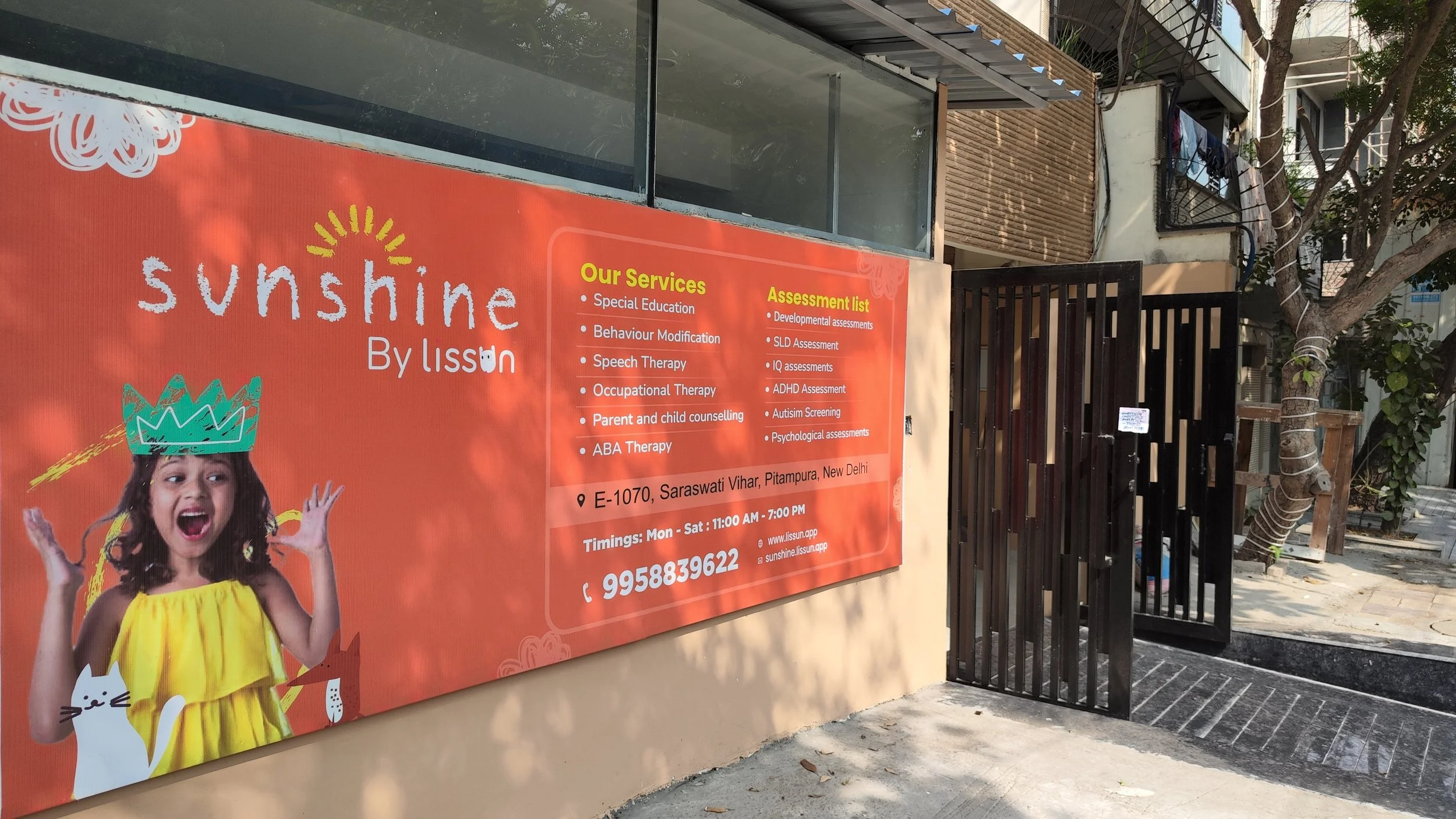
A play school, not a clinic. At Sunshine by Lissun, its physical centres, the space is designed to feel like a play school rather than a clinic, staffed entirely by clinical psychologists, speech therapists, and occupational therapists employed directly by Lissun. Beyond the clinic, every session is recorded with parental consent and turned into a personalised home care plan, and Lissun is now building a WhatsApp-based AI assistant to keep parents active participants in their child’s recovery between sessions.
Keep exploring
Explore more case studies
Meet more of the businesses turning capital into outcomes across India.